Crypto Airdrop Apps: How They Work, Rewards, Risks
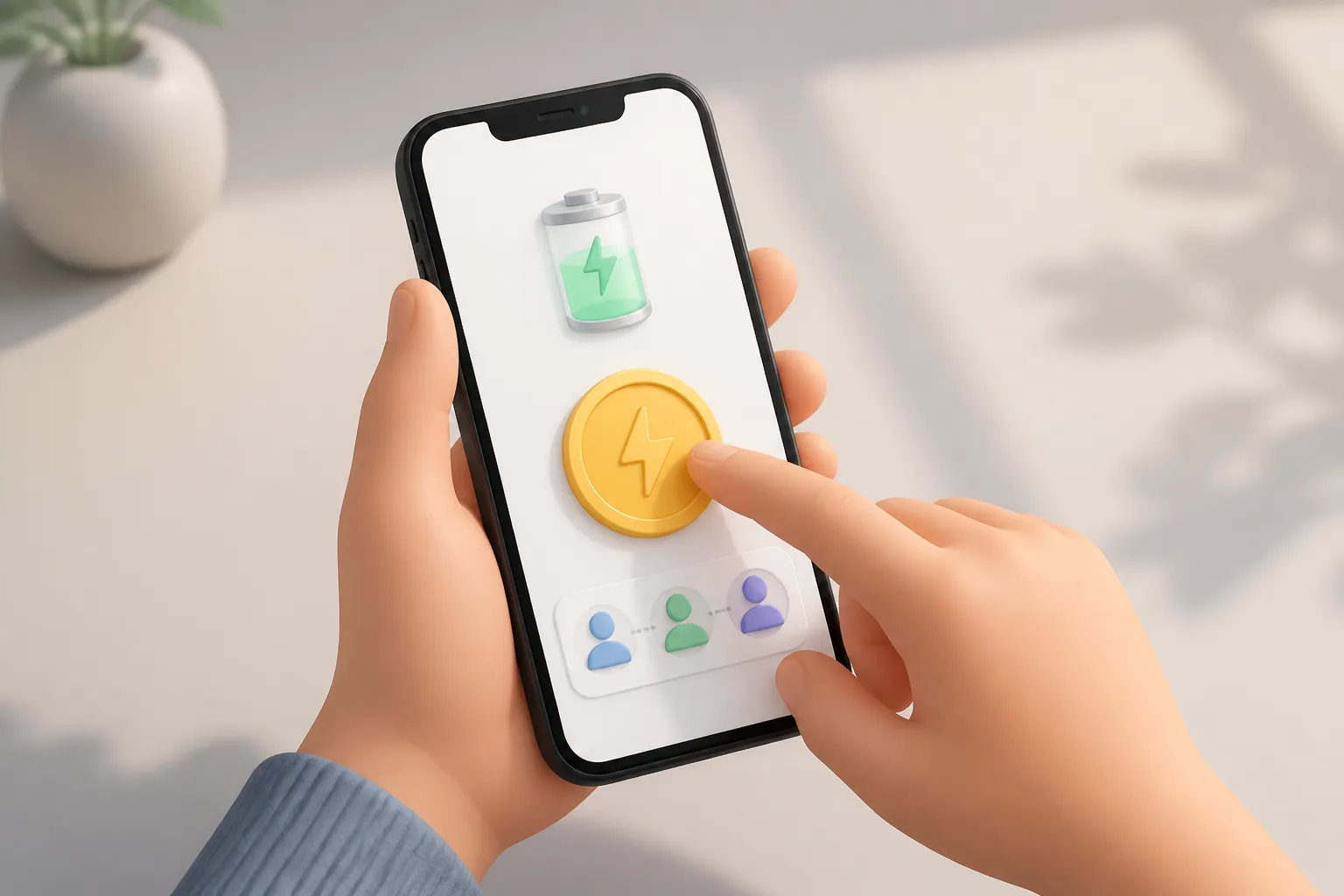
Airdrop apps promise free crypto for taps, tasks, and referrals. Some payouts are real, others waste your time. This guide covers why projects use airdrops, how the apps actually track and pay rewards, what risks to avoid, and how CoinDrop sets up its program and the $DROP mint.
Why crypto projects run airdrops
Airdrops are a marketing and distribution tool. Instead of buying ads, teams put a slice of tokens in front of early users who kick the tires and talk about it. The goals are practical:
- Kickstart usage. New networks, wallets, and apps need on-chain actions to test fees, throughput, and UX. Quests like “make 1 swap,” “bridge once,” or “complete a profile” get real data fast.
- Reward early supporters. Testers, bug reporters, ambassadors, and early depositors often receive allocations as thanks for real work.
- Amplify word of mouth. People share wins. A small reward that feels earned spreads farther than a banner ad.
- Distribute governance. Wider ownership can reduce token concentration and make future votes less lopsided.
How airdrop apps work in practice
Most earn-crypto apps follow the same loop: sign up, do actions, collect points, later claim tokens. The useful details live in the rules that convert activity into real allocations.
The core flow
- Onboard and add a wallet. Create an account with email or socials. Connect a self-custody wallet or start with an in-app wallet you can export. Some apps ask you to verify socials to cut down on bots.
- Complete actions. Daily taps, check-ins, quizzes, simple on-chain tasks, or feature tours. These are designed to teach the product and create consistent activity.
- Invite friends. Referral rewards usually scale with the number of active friends, not just sign-ups. Read what “active” means in the rules.
- Accrue points or credits. You see a running total on your profile. Apps often show streaks, multipliers, and leaderboards to nudge consistency.
- Snapshot and conversion. Near the end of a season, the team announces a snapshot date. Your share of points at snapshot time sets your slice of the token pool.
- Claim. When claims open, you submit a wallet and pay network fees if required. Some projects unlock all at once, others vest over time.
How points turn into tokens
- Fixed pool, pro rata. A project allocates a set amount, for example 1,000,000 tokens, to the season. If you hold 10,000 points out of 10,000,000 total points, you earn 0.1% of the pool, or 1,000 tokens.
- Tiered bands. Hitting a threshold (for example Bronze, Silver, Gold) maps to a fixed token amount per tier. Crossing tiers matters more than tiny point gains.
- Caps and decay. Some rules cap the maximum claim per account or decay points if you miss days, which can matter more than total time spent.
- Vesting. Even after you claim, some tokens unlock linearly over weeks or months. Check the vesting schedule so you know when you can move or trade.
Mechanics you will see
- Energy or pacing. Apps pace taps with an energy bar so sessions are short and repeatable. Paid tiers sometimes remove limits.
- Streaks and multipliers. Consecutive days can multiply earnings. Miss a day and the multiplier can reset.
- Tasks vs taps. On-chain or feature-complete tasks usually pay more than single-button taps because they show real intent.
- Anti-cheat. Expect device checks, CAPTCHAs, and activity audits. Multi-accounting can get you excluded even if it worked for a while.
Day-to-day returns are small. Consistency beats binge sessions because streaks, energy refresh, and daily task resets compound. Keep simple records: note snapshots, rule changes, and task completions. Screenshots help if you need to appeal a missing reward. If you have downtime between claim windows, an AI job search that scans LinkedIn, company career pages, and ATS platforms can send matched role alerts and draft tailored resumes and cover letters while you wait.
Eligibility and safety basics
Eligibility checks
- Wallet and network. Some drops target a specific chain or require a self-custodial wallet. Make sure your address format matches the chain they list.
- Allowlists and activity. You may need to hold a token, complete a set of quests, or rank above a cutoff before a snapshot. Leaderboards can lock a rank at a stated time.
- Region, age, and KYC. Legal rules can block certain countries or minors. Some claims ask for light KYC to comply with sanctions screening.
- Deadlines and windows. Claims often expire. Put the start and end time on your calendar with your local timezone.
Safety essentials
- Seed phrases stay offline. No legitimate airdrop will ask for your seed or private key. If you see a prompt, close it.
- Use a burner wallet for testing. Keep your main holdings on a separate wallet or a hardware wallet. Interact with new apps from a low-balance account first.
- Verify tokens before you click. Fake tokens and lookalike pages are common. For CoinDrop, the official $DROP mint address is mntq6hnGWU9761TRZdzeAkhTmAuTUKRQqZe1D7787UV. Paste that into your wallet’s token search or a block explorer to confirm you are viewing the correct asset.
- Review approvals. Do not sign broad token approvals from unknown contracts. If you approve something by mistake, use an approval manager or your wallet to revoke it.
- Watch gas and fees. Claims on higher-fee chains can cost money. Check the estimated fee before you proceed and compare it with your expected token value.
- Check URLs. Bookmark the project’s site and verify announcements in their official channels to avoid phishing domains.
Where the CoinDrop app fits
CoinDrop focuses on simple, repeatable actions and clear pacing. You can earn from three sources in the app: button click rewards, task rewards, and referral rewards. The app uses an energy system to keep sessions short.
Free vs. Premium membership
- Free membership. You get 1x rewards for button clicks, tasks, and referrals. Energy recovers every 3 seconds, so quick check-ins throughout the day work well.
- Premium membership. You get 100x rewards for clicks, tasks, and referrals, plus infinite energy with no recovery time. Premium also earns secondary tokens in addition to the main rewards.
A simple approach: start on Free for a few days to learn the timing and which tasks reset. Once you know your routine, upgrade to Premium if you want the higher multipliers and no waiting on energy. Referrals can add up, but only if your friends are active based on the app’s definition.
$DROP token details
CoinDrop’s rewards tie into the $DROP token airdrop. To verify you are looking at the right asset, use the official CoinDrop mint address: mntq6hnGWU9761TRZdzeAkhTmAuTUKRQqZe1D7787UV. Keep that handy when you browse token lists or search a block explorer. Claims can require a specific wallet address format and may open in a defined window, so set reminders.
Key takeaways
- Airdrop apps pay for simple actions, but the rules that convert points to tokens decide your final payout. Read the snapshot, caps, and vesting details.
- Projects use airdrops to bootstrap usage, reward early users, and distribute governance. Small daily sessions often beat long, irregular sprints.
- Protect your wallet. Use a burner for testing, verify token contracts, avoid sharing keys, and review approvals before you sign.
- CoinDrop offers button, task, and referral earnings with a paced Free tier and a 100x Premium option, plus a verified $DROP mint address for checks.